

Uncertainty, AI, and Proof: Optimal Dynamics at the 2026 McLeod Software User Conference
Last year’s McLeod Software User Conference centered on a single question: What can AI actually do for a trucking operation?
At this year’s User Conference in Nashville, with that question largely answered, attendees shifted to asking what it takes to implement artificial intelligence, how to know it’s working, and how to make good decisions in a volatile market.
Here are the takeaways our team brought home from the Music City Center.
Uncertainty Was the Word of the Week
Tom McLeod set the tone early. One of the first slides of his presentation included the word “uncertainty” surrounded by the forces creating it: fuel prices, tariffs, interest rates, trade policy, job growth, and business activity.
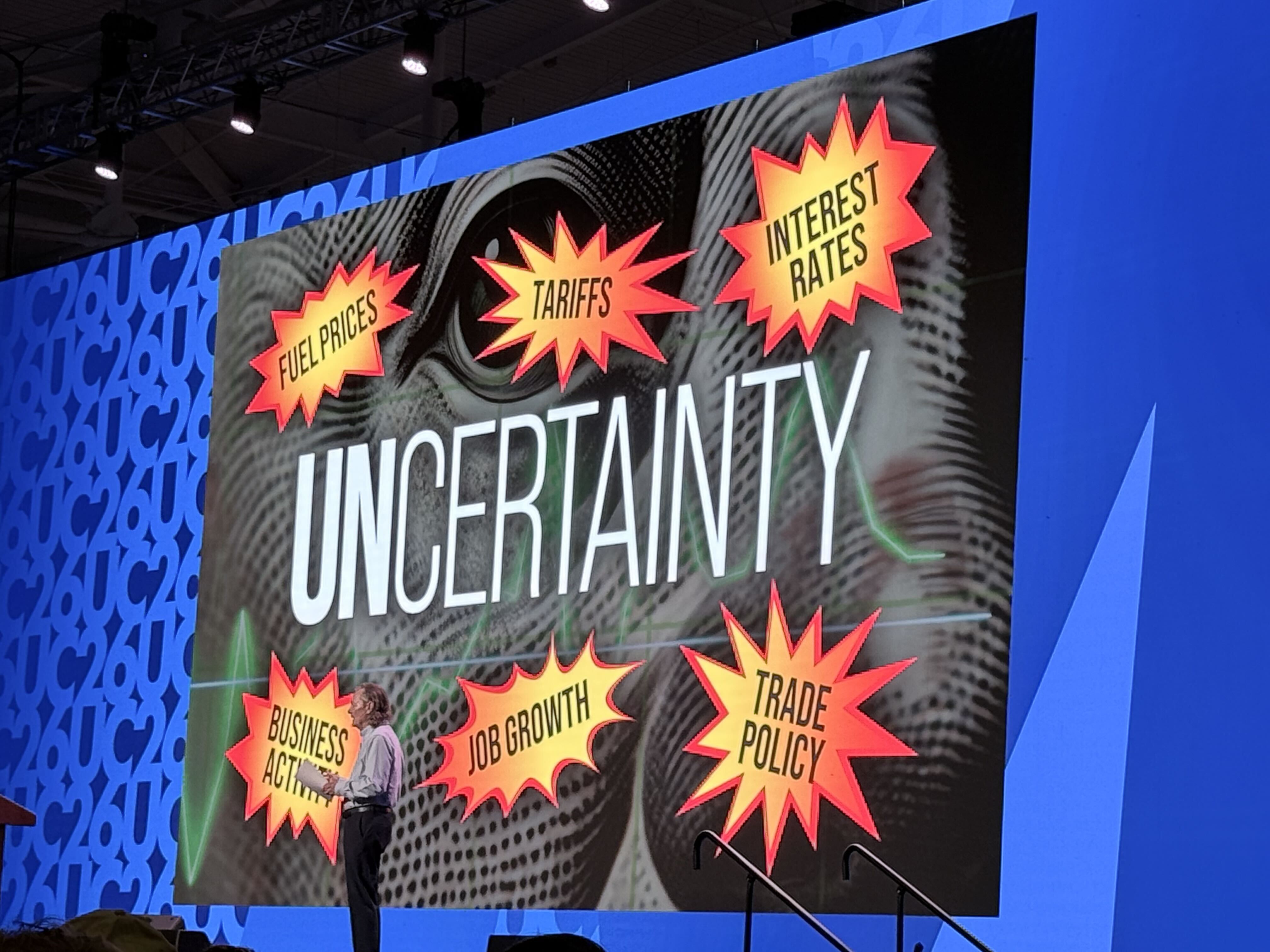
Every variable on that slide sits outside a carrier’s control, and not one of them can be forecast with confidence right now. Rates can shift on a policy announcement, cost assumptions built in January don’t survive to June, and planning for a single outcome is planning to be wrong.
Uncertainty also changes the conversation around technology. If the market were predictable, a fleet could optimize once and coast. But the market is far from predictable, so the advantage shifts to the quality and speed of the decisions made amid uncertainty.
That’s something carriers can control: which load to take, which driver to assign, and what to do with the truck three moves, or three days, from now. Those decisions get made thousands of times a day, and in a volatile market the cost of getting them slightly wrong quickly compounds.
Everyone Is Talking About AI (But Almost No One Means the Same Thing)
The second theme was impossible to miss — AI came up in every session track, at every booth, and at the breakfast tables before the day even started.
But “AI” isn’t just one thing. In different contexts, it can refer to document processing, customer-facing chatbots, predictive maintenance, pricing tools, load matching, fraud detection, and decision automation. Those are fundamentally different technologies solving fundamentally different problems. Two vendors can both say “we use AI” and have almost nothing in common.
That dynamic makes “are you using AI?” the wrong question. The more useful question is narrower: What specifically are you trying to solve, and can you show me how it worked on a network like mine?
That’s the question our joint session with TLD Logistics was designed to answer.
What Real Results Look Like: The TLD Logistics Story
Kevin Coomer, Sr. Operations Manager at TLD, joined Ben Marks, VP of Sales Engineering & Customer Success at Optimal Dynamics, for “AI in Action: Network Optimization at TLD Logistics.”
TLD is a Knoxville-based carrier that has earned the Best Fleets to Drive For designation nine years running, and they run a diverse, demanding operation — the kind where thousands of interconnected decisions must be aligned each and every day.
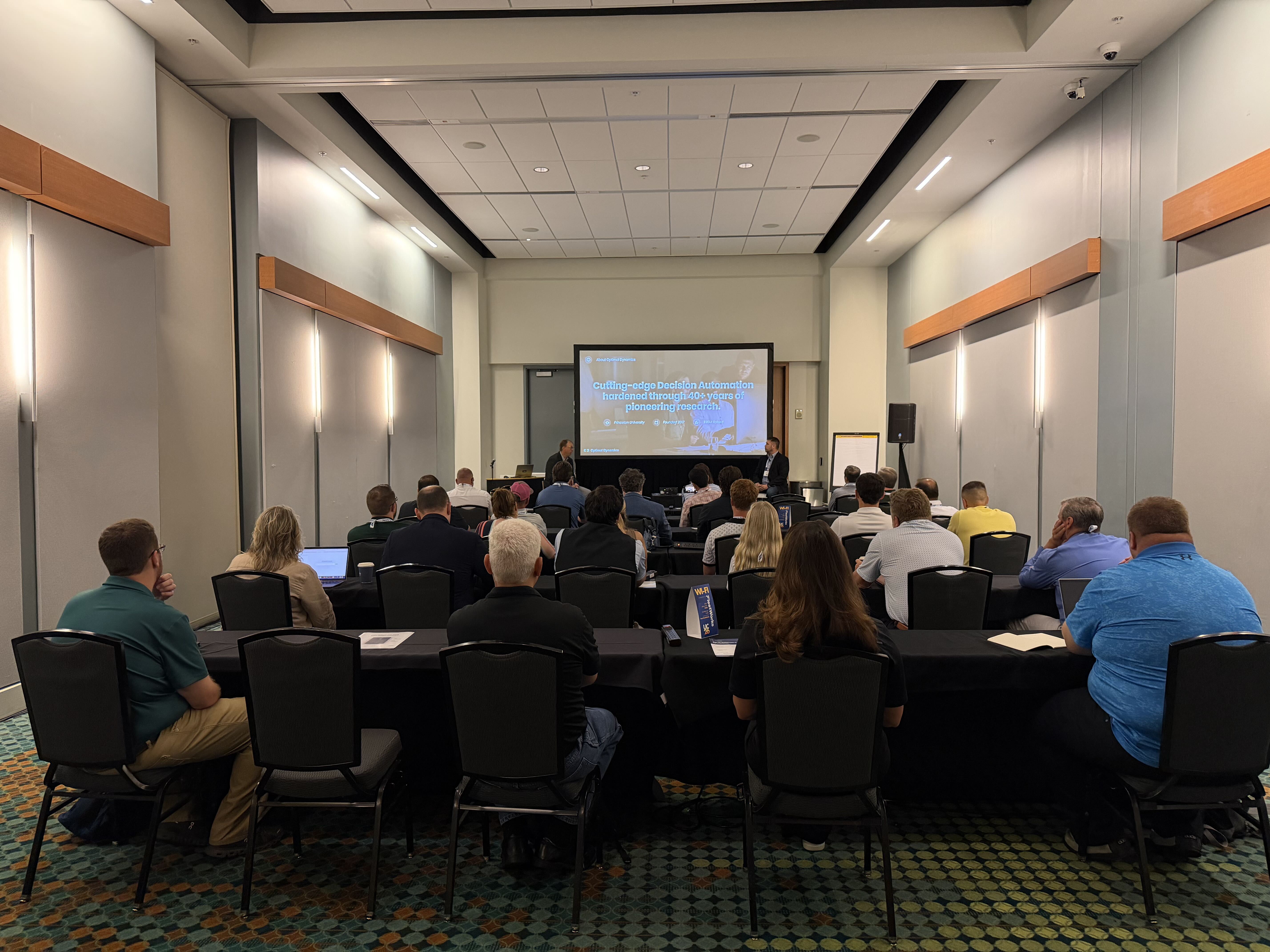
Kevin and Ben started by walking attendees through TLD’s Proof of Value (POV) process — the same structured evaluation we run with every carrier before a deployment. The POV process includes:
- Data gathering: Running TLD’s real historical network data through the Optimal Dynamics decision engine.
- Calibration: Tuning the model to TLD’s actual operating conditions, commitments, and constraints.
- Scenario modeling: Simulating what the engine would have recommended, then comparing that against what actually happened.
The POV showed TLD what an optimized version of their network could look like before they committed to anything — projecting a 21% monthly increase in total revenue and a 69% monthly increase in variable profit against the same assets they already owned.
But the more interesting slide focused on post-implementation results. Once the platform was live, TLD measured Optimal Dynamics-assigned loads against non-assigned loads across multiple divisions (the same fleet, same market, and same week). The comparison:
- Glass OTR: 24.2% higher revenue per load, 8.2% less deadhead, 1.9% better on-time delivery.
- Non-Glass OTR: 10.9% higher revenue per load, 13.2% less deadhead, 1.8% better on-time delivery.
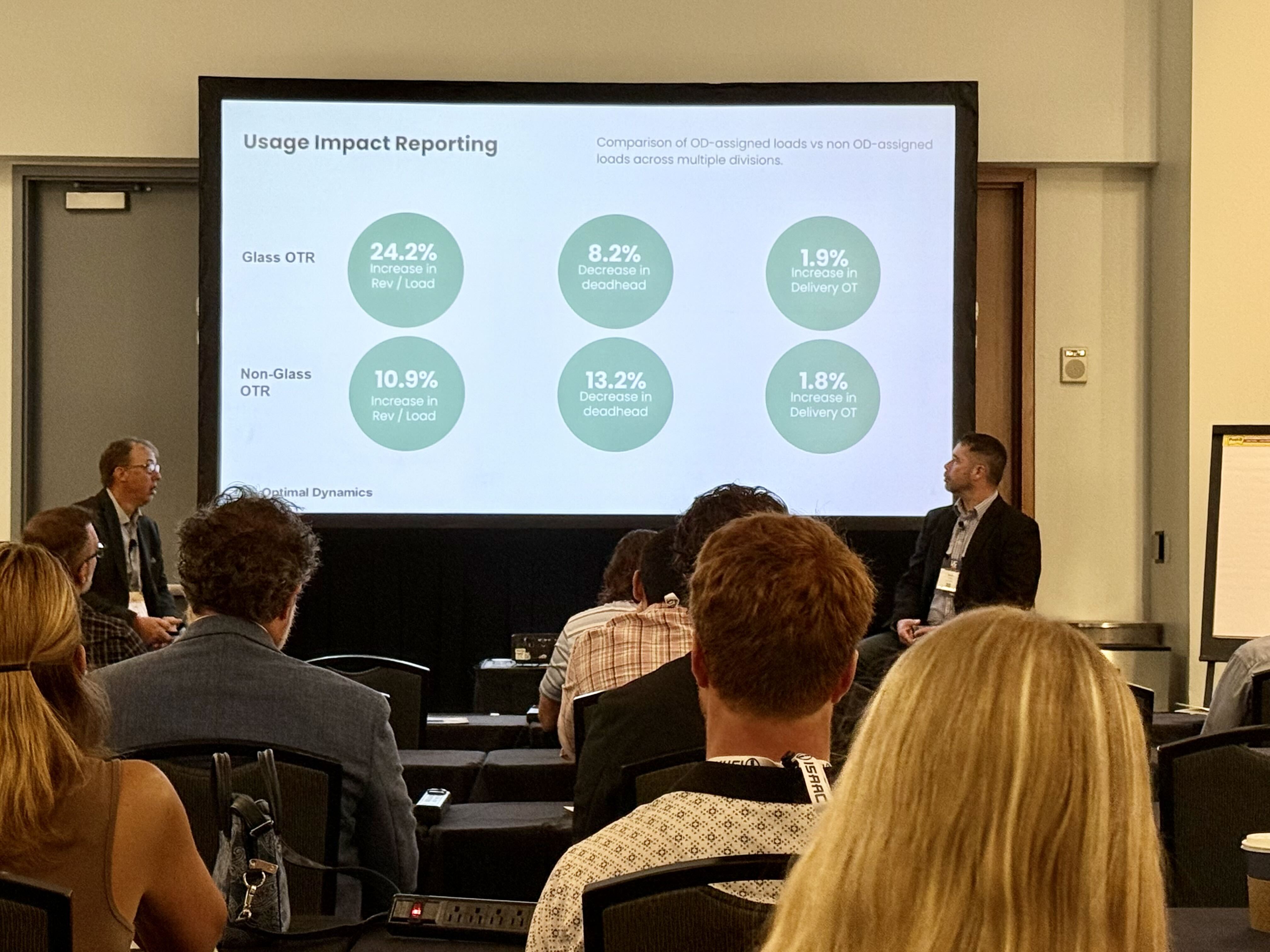
That side-by-side comparison shows what AI can do when implemented properly.
The session was also valuable because it gave us the chance to hear an operator describe the decision to trust the technology. TLD’s objectives were to fully utilize the assets they already owned, balance driver needs against customer commitments, and improve profitability without growing the fleet.
Change Management Is the Real Challenge
Selecting a platform is a procurement exercise, but getting an organization to actually change how it makes decisions is something else entirely. Fleets that have been through it consistently describe the same friction points: planners who don’t trust the recommendation, an executive sponsor sitting in the wrong department, and an org chart that was never adjusted to match the new operating model.
We’ve spent a lot of time on this problem. Earlier this year, the Optimal Dynamics User Conference included a panel discussion on change management. The playbooks shared during that session were similar to what we heard described in Nashville:
- Prove value on your own network before promising results internally.
- Your executive sponsor should come from operations rather than IT.
- Restructure the organization before go-live (not after).
- Build trust in the automation first; pursue optimization second.
- Measure adoption itself, because a platform nobody uses optimizes nothing.
While each operation is unique, these best practices are quickly becoming universal as different organizations implement AI and navigate the change management process.
Your Tech Stack Is Now the Strategy
The fleets represented in Nashville were all curious to see how new technology fit alongside the TMS, ELD, and telematics systems they already depend on. It’s clear that organizations are seeking connected technologies that create leverage.
That’s the logic behind McLeod’s partner-driven model, and it’s why Optimal Dynamics fits naturally inside McLeod’s ecosystem.
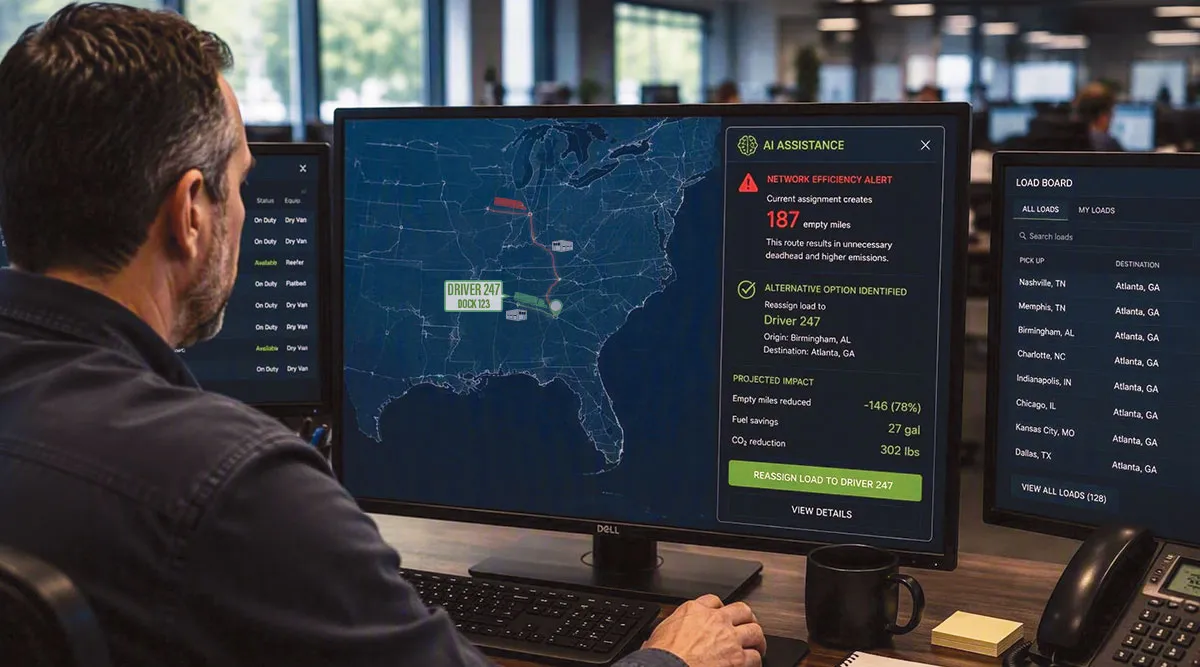
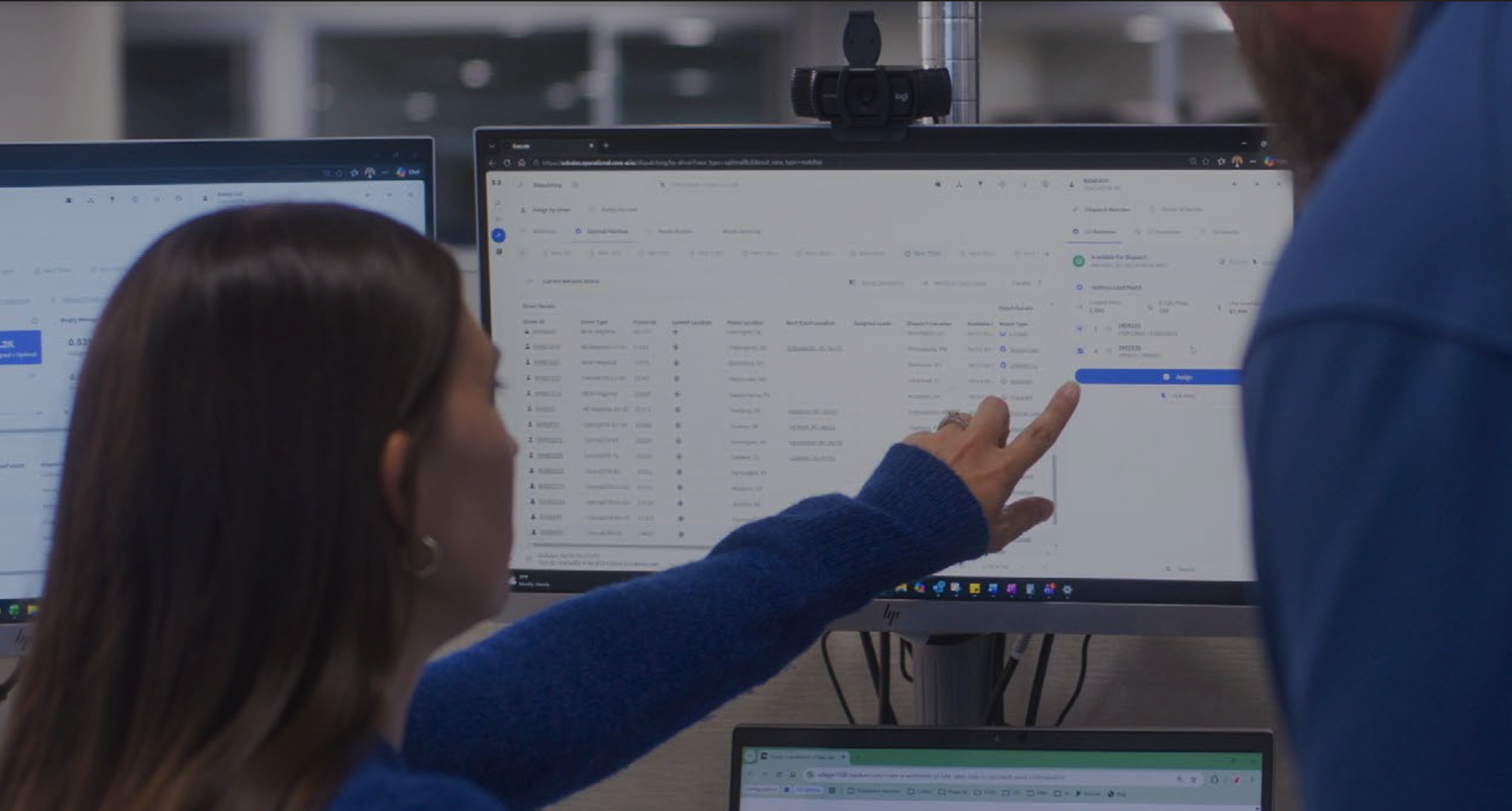
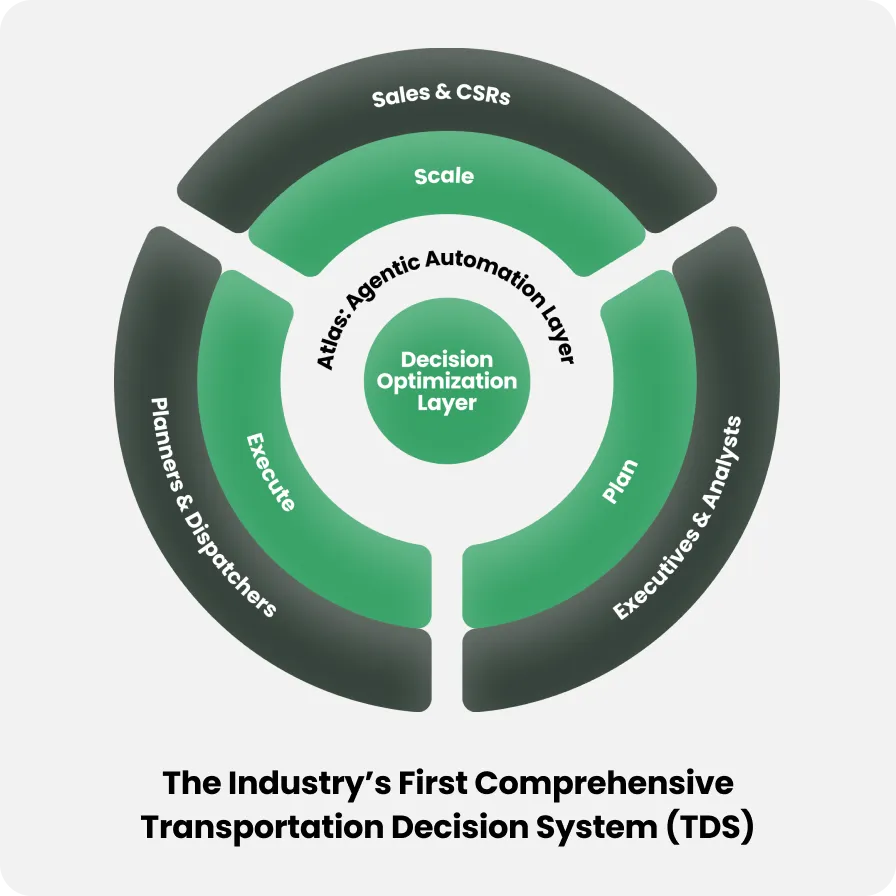
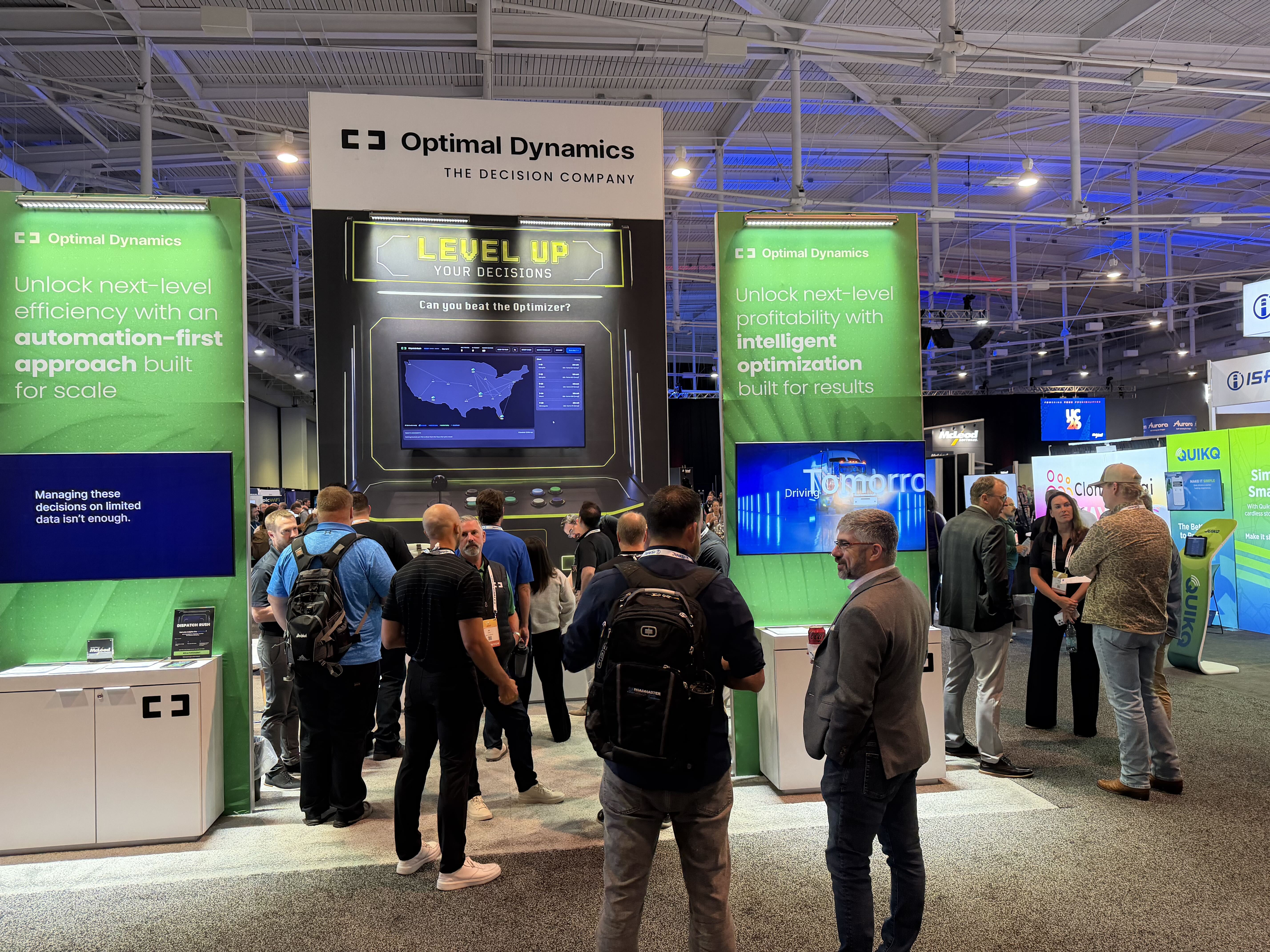
At our booth, we ran live demos of the two-way integration between Optimal Dynamics and McLeod’s LoadMaster. TMS data feeds our decision engine, the engine evaluates every option against the economics of the entire network, and optimized recommendations flow straight back into the planner’s existing workflow.
TLD is implementing Optimal Dynamics alongside both McLeod and Platform Science. The decision layer makes the data sitting in platforms of record worth infinitely more than without one.
Nashville: The Perfect Backdrop for It All
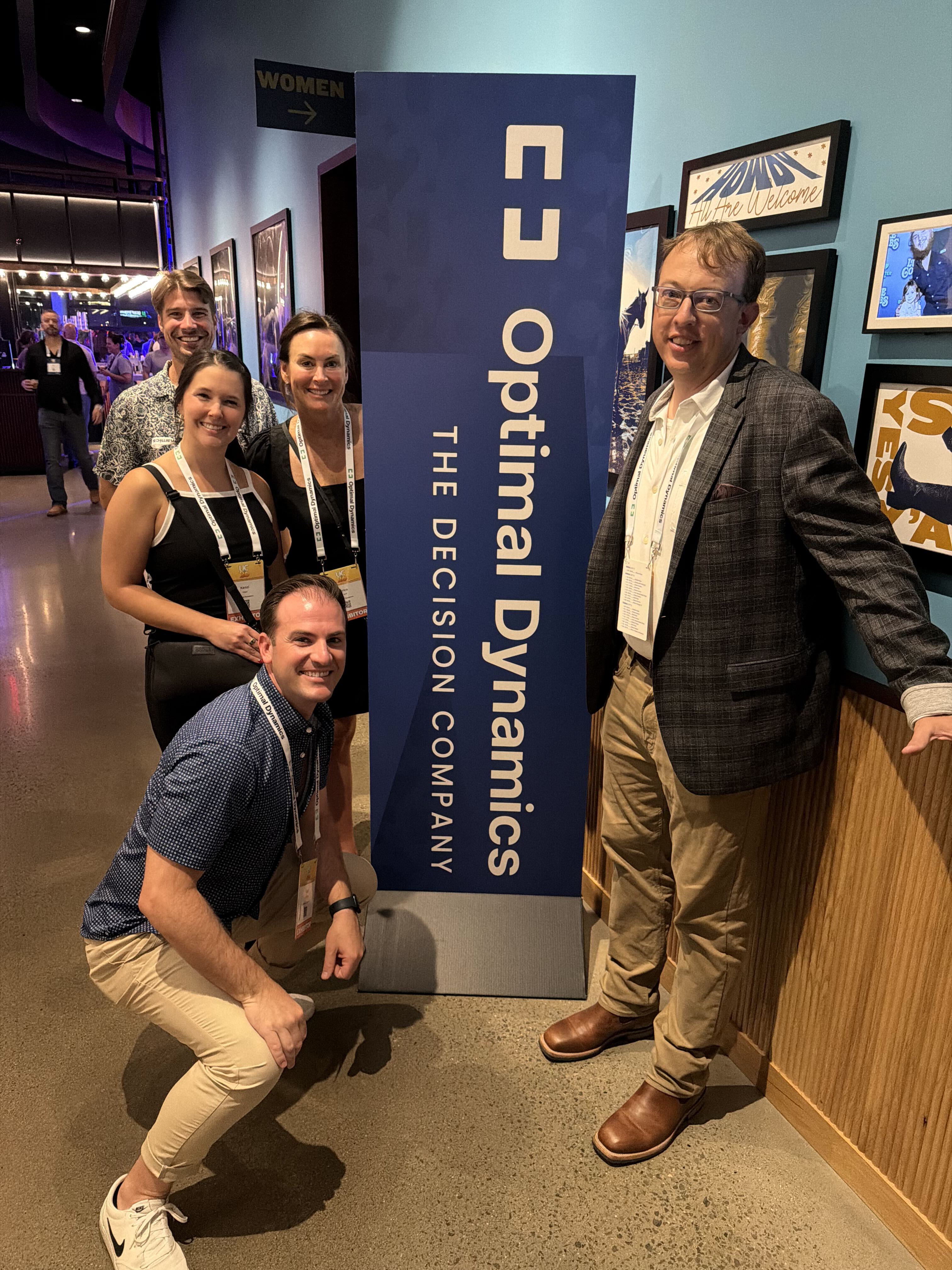
Nashville was an ideal location during nonstop conference days and then nonstop nights.
The Music City Center kept everyone close, so conversations that started in a session usually continued over coffee, and the ones that started at the booth usually continued down Broadway. McLeod’s Category 10 party was the kind of event people plan their travel around, and by Tuesday morning the hallway consensus was that Nashville has earned its spot on the permanent rotation.
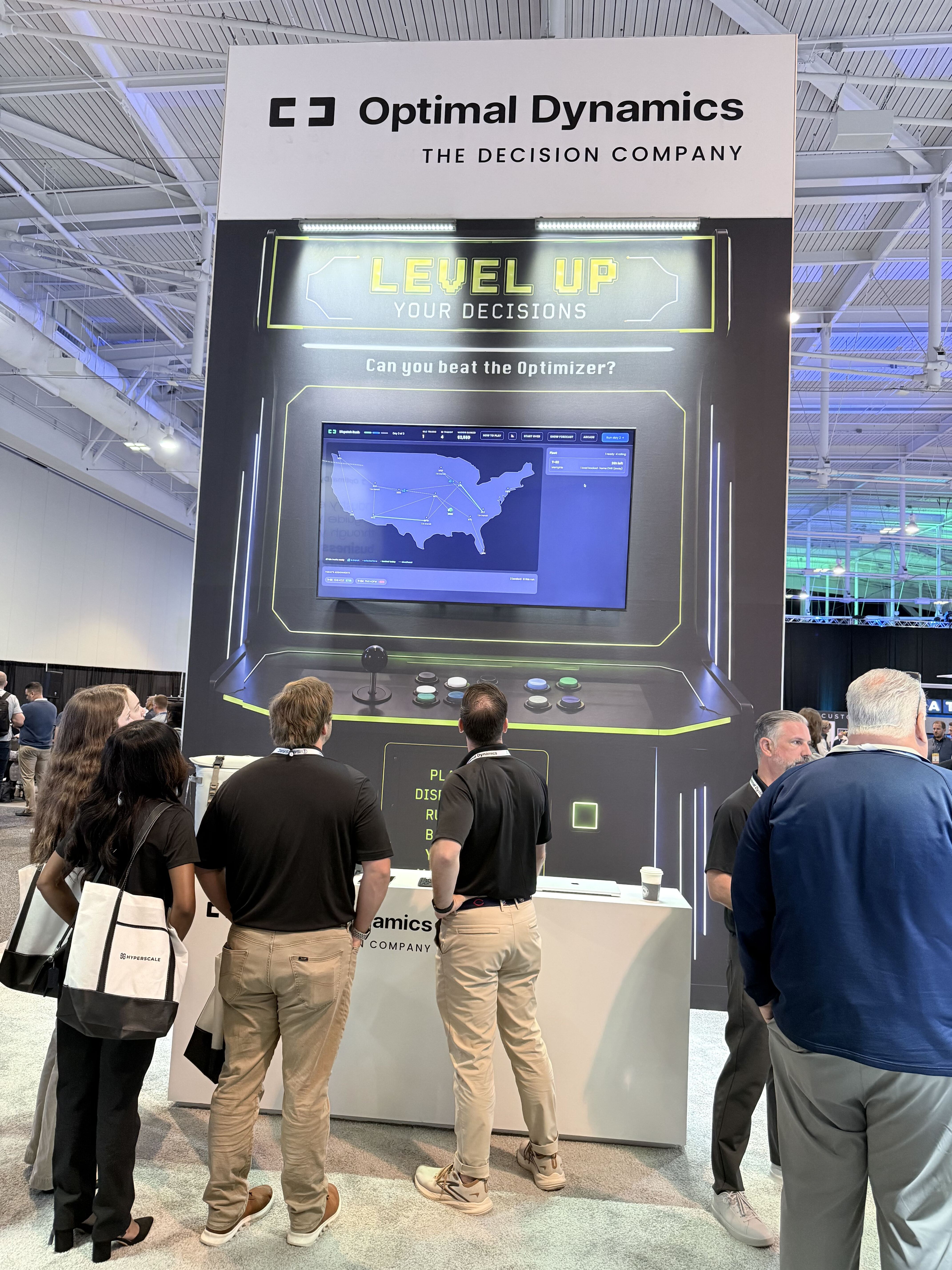
Our booth drew a crowd, in part because of Dispatch Rush, our retro arcade dispatching game. In the game, loads keep landing, drivers keep waiting, and the clock never stops. Plenty of people walked up expecting a novelty and left with a new appreciation for how quickly good decisions become impossible to make by hand — which, as it happens, is the point.
The conference also ran alongside National Truck Driver Appreciation Week. That timing reminded us that every optimization discussed in those ballrooms eventually impacts a professional driver’s day.
What Our Team Is Taking Home
Three things will stick with the Optimal Dynamics team as we head back from Nashville:
- Uncertainty is the operating environment: Fuel, tariffs, rates, and policy aren’t going to settle down. The carriers that win are the ones making better decisions despite the uncertainty.
- “AI” is just a category: The real question is what problem AI tools solve, and whether vendors can show you results within an operation and network like yours.
- Adoption is the real project: The technology decision is easier than choosing an operating model that lets the technology deliver results.
Thank you to McLeod Software for an excellent conference, to Kevin and the TLD team for sharing their story on stage, and to every customer and partner who stopped by to chat with our team.
If you’re ready to see what our decision engine would do with your network (inside your existing tech stack), schedule a demo.