

Disciplined Growth in a Tight Market: Key Takeaways From Our 2026 Transportation Leadership Strategy Session
The freight market hasn’t snapped back. If anything, it’s forced a sharper kind of leadership.
Optimal Dynamics hosted its 2026 Transportation Leadership Strategy Session in January, bringing together 25 executives for candid conversations about what it really takes to perform in a stubborn market.
Executives discussed holding firm on pricing after disciplined bid analysis. They compared notes on right-sizing fleets rather than chasing utilization at any cost. They examined where automation should remove low-value decisions — and where human judgment remains essential. Across every group, the focus consistently returned to how to grow profitably.
Here’s a closer look at five key insights from the conversations among these transportation industry leaders.
1. Market Discipline: Winning Freight Without Racing to the Bottom
There are early signs that shipper sentiment is shifting. Bid spreads that were once 15–20% apart are now narrowing closer to 5–10%. Internal tender rejections are climbing for some fleets, suggesting capacity is beginning to tighten.
But the leaders in the room discussed discipline more than optimism.
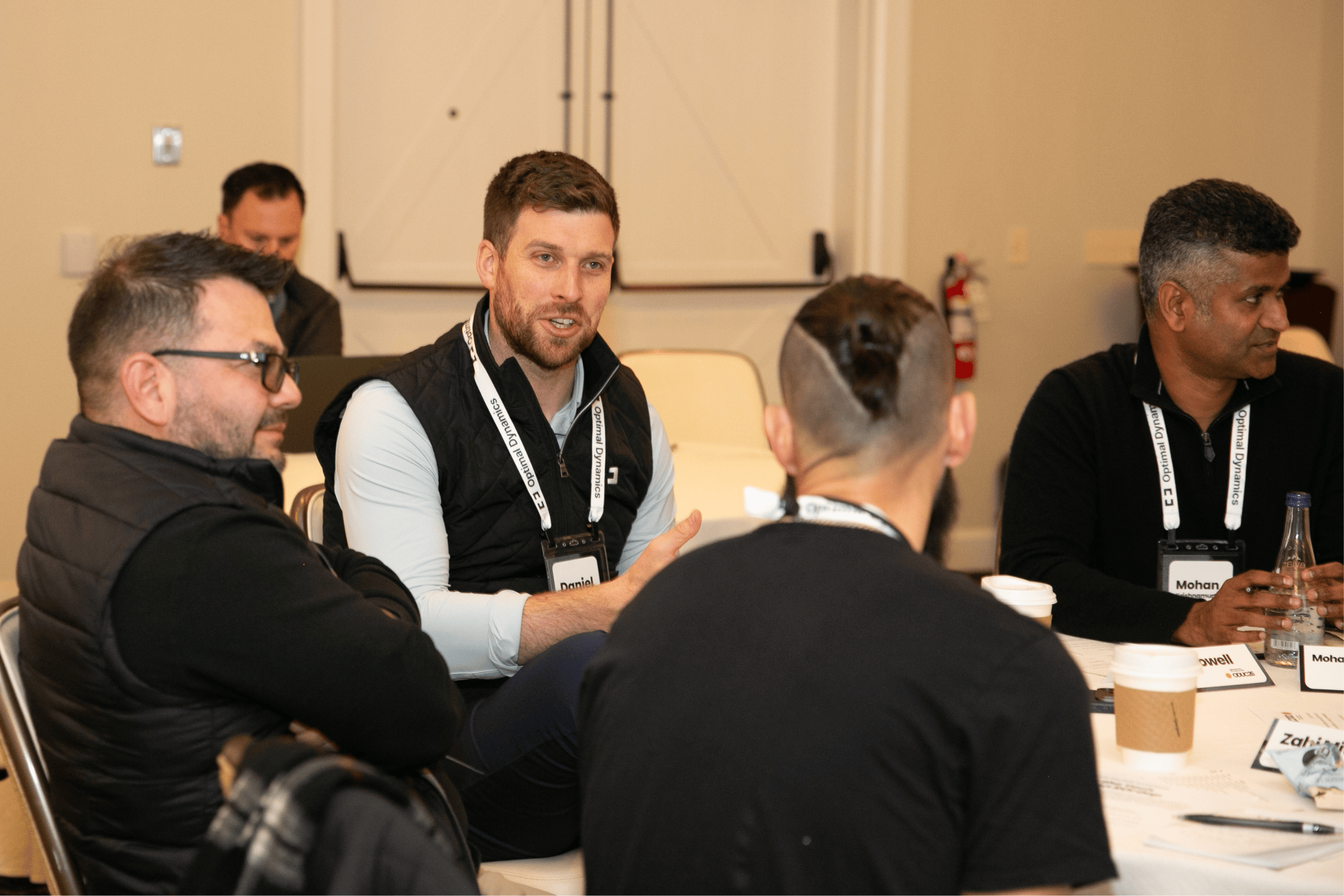
The executives spoke candidly about holding firm on pricing that has been thoroughly analyzed and modeled. Several described walking away from freight after multiple bid rounds if the probability of award wasn’t there. Others shared examples of bowing out of drop trailer programs or partial network awards that didn’t fit their operating model or failed to deliver full-cycle economics.
That discipline extends beyond pricing to right-sizing fleets. Leaders are asking hard questions: Are we too big for this environment? Are we running trucks that don’t justify their liability or capital costs? Rather than chasing utilization at any cost, they’re evaluating performance line by line on the P&L.
Visibility into network economics is enabling this approach. With structured bid analysis and AI-driven network optimization by Optimal Dynamics, carriers can quantify which lanes strengthen their network and which erode it. They can model award scenarios, understand downstream impact, and defend pricing decisions with data.
2. Data Differentiation & Transparency as a Competitive Advantage
Executives in this session were clear: differentiation comes from showing your work rather than lowering rates.
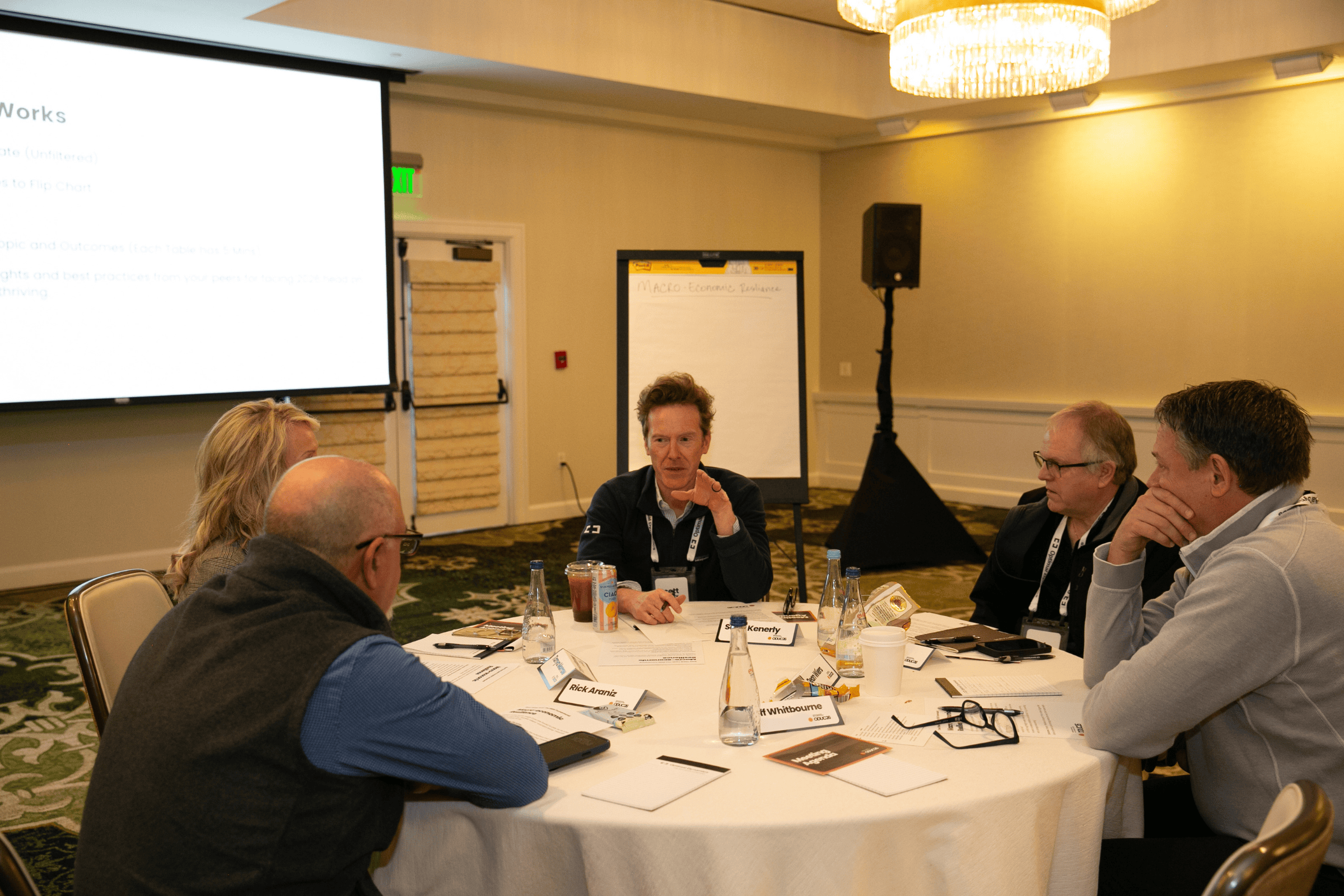
Technology is increasingly part of the sales process. Leaders described using optimization data directly in customer conversations to justify pricing and demonstrate network fit. When you can explain how a lane affects asset utilization, service performance, and downstream economics, the discussion shifts from negotiation to strategy.
Data-backed RFPs are replacing instinct-driven bids. Carriers are now able to show:
- Here’s what we want to win — and why it fits our network
- Here’s the impact of a full award versus partial freight
- Here’s how our service commitment supports your operation
When optimization and decision automation generate consistent, explainable outputs, pricing becomes defensible, service commitments become measurable, and conversations at the C-suite level become grounded in operational logic, not just rate comparisons.
The takeaway: Data is strengthening external relationships while separating disciplined carriers from those competing on price alone.
3. Automating to Eliminate Low-Value Decisions
One of the clearest themes across the groups was that not every decision deserves human energy. In many operations, valuable talent is still consumed by “button-pushing” work:
- Accepting EDI tenders based on speed rather than economics
- Manually entering commitments
- Generating routine reports
- Tracking adherence
- Executing routing decisions that follow predictable logic
These are necessary tasks, but they aren’t strategic.
The executives in the room were aligned that repeatable, high-confidence decisions should move to systems. When data confidence is low, trade-offs are complex, or customer relationships are at stake, that’s when experienced operators step in. The best organizations are designing workflows where the system surfaces when human intervention is needed — and automates the rest.
The Optimal Dynamics Platform is built around that principle. It identifies where confidence is high and executes accordingly. Where ambiguity exists, it brings the decision to the surface.
4. Redefining Roles: Automation Is Organizational Change
In 2025, executives discussed introducing automation.
In 2026, they focused on how to restructure around it.
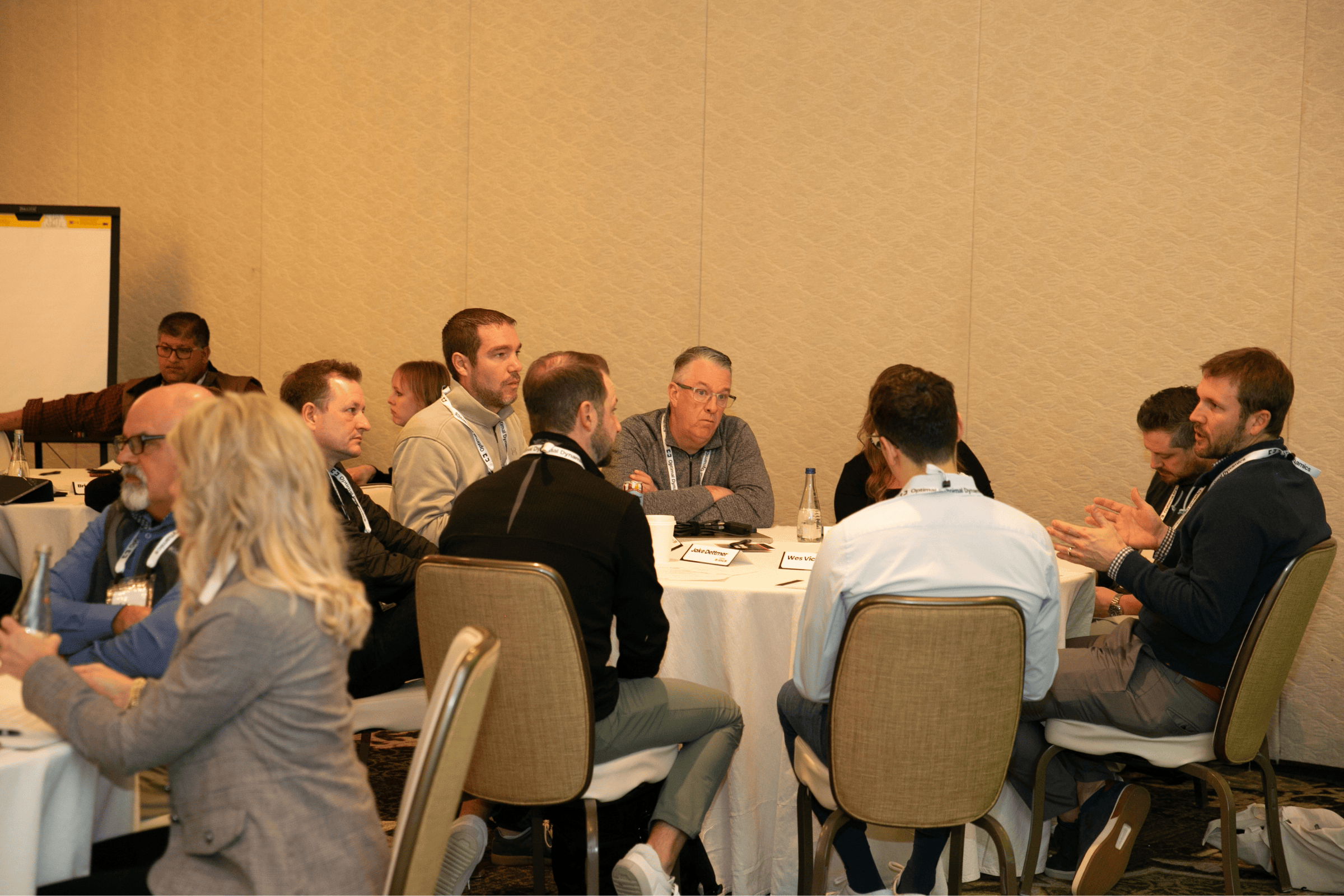
One of the most substantive conversations this year centered on role design, especially the CSR and dispatch functions. In these cases, automation fundamentally changes what the job is by redefining:
- How time is spent
- How decisions are sequenced
- What outcomes the role is accountable for
Several executives emphasized the importance of measuring human time at the task level. How long does commitment entry actually take? How much effort goes into adherence tracking? What percentage of a CSR’s day is consumed by repeatable work versus true exception management?
Once that baseline is quantified, organizations can compare system performance to human effort and fully understand what’s actually being gained.
5. Shipper Relationships in a Liability-Conscious Market
In a prolonged down market, there’s always the temptation for shippers to “dumpster dive” by chasing short-term savings from the lowest available rate. But the executives in this session were focused on making reliability visible, measurable, and defensible.
The first step is operational credibility:
- Show up on time.
- Deliver on time.
- Manage temperature-sensitive freight correctly.
- Commit to the weight you agree to haul (and follow through).
Those basics sound simple, but in a tight market they are often what separate stable carriers from opportunistic ones.
Several leaders emphasized the importance of engaging above the routing guide. While procurement may be bound to process, executive leadership often understands the cost of disruption. Piercing that C-suite veil by demonstrating long-term commitment, financial stability, and operational standards helps to reframe the relationship.
The message becomes clear: We’re not just available today; we’ll also be here next year.
Financial discipline is part of that story. Executives spoke openly about highlighting equipment investments, safety features, risk control teams, and disciplined hiring standards. Even hours-of-service compliance has become a signal of operational integrity. In a liability-conscious environment, those signals matter.
There was also a recognition that planning sophistication strengthens commitment credibility. With better optimization and visibility, carriers can answer questions about weight capacity and service feasibility with confidence rather than guesswork. That level of precision builds trust.
The Overarching Thread: Profitability Is Operational Discipline
Across every group, every topic, and every debate, one theme consistently surfaced: Profitability is now an operational decision rather than a market condition. That’s why forward-thinking executives are:
- Right-sizing fleets instead of chasing utilization.
- Cutting tools that no longer deliver value.
- Measuring human time at the task level.
- Pricing with conviction based on network economics.
- Tracking KPIs all the way down to revenue per truck per week and base P&L impact.
- Investing in sales capabilities that can carry a data-backed message into the C-suite.
Several executives acknowledged that in stronger cycles three to five years ago, discipline was easier to defer. Inefficiencies could hide inside strong rates, and decisions didn’t always need to be precise. That environment no longer exists.
For carriers navigating this new environment, the path forward means building systems that make disciplined decision-making repeatable. Optimal Dynamics supports that shift by helping carriers:
- Price with confidence based on network economics
- Automate repeatable, high-confidence decisions
- Elevate human roles toward exception management and relationship building
- Track measurable impact directly to the P&L
Ready to explore the platform that’s empowering carriers to thrive in this challenging market? Schedule a demo to learn more.