

What Two Major Shippers Want Carriers to Know Right Now
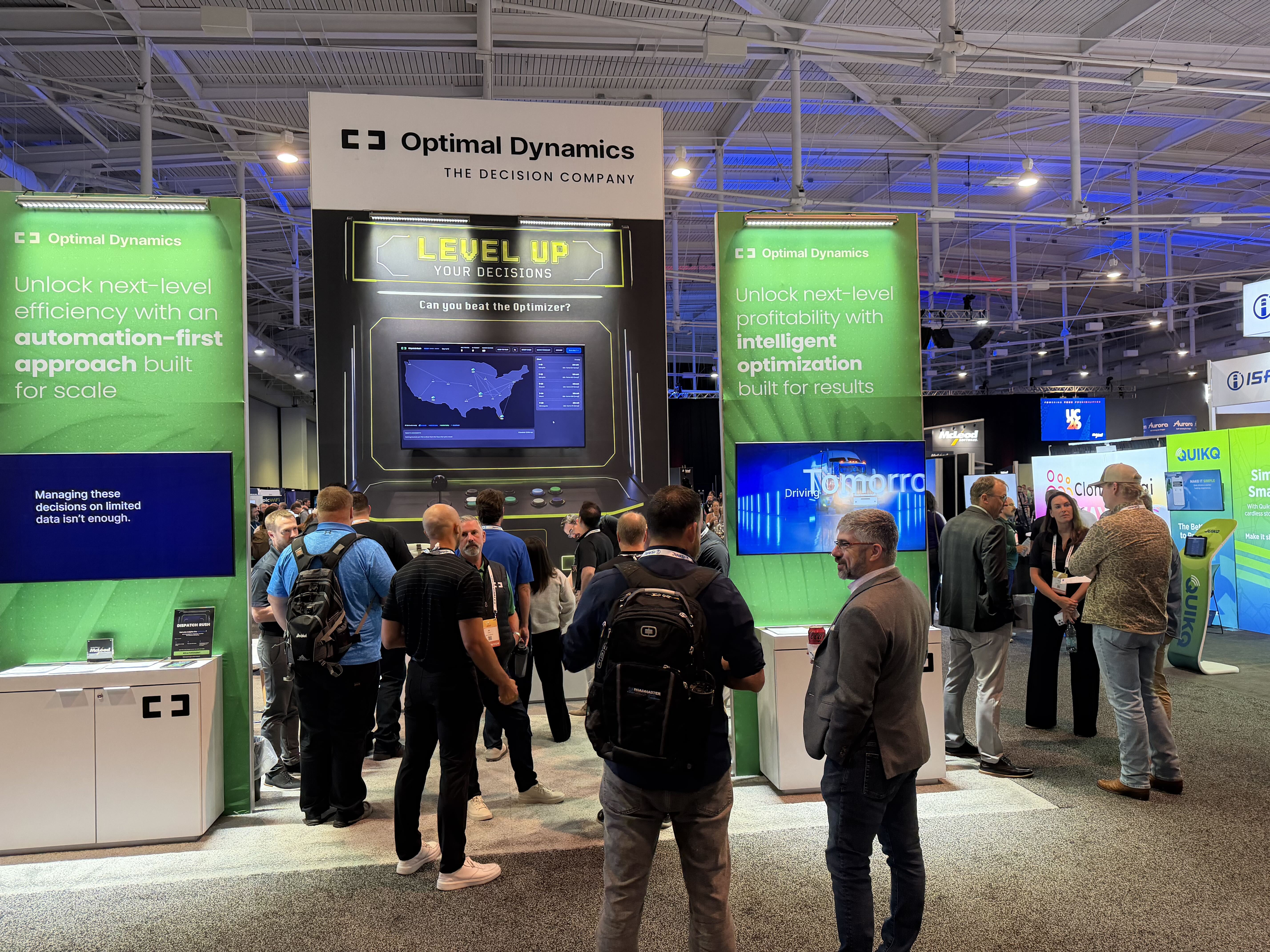
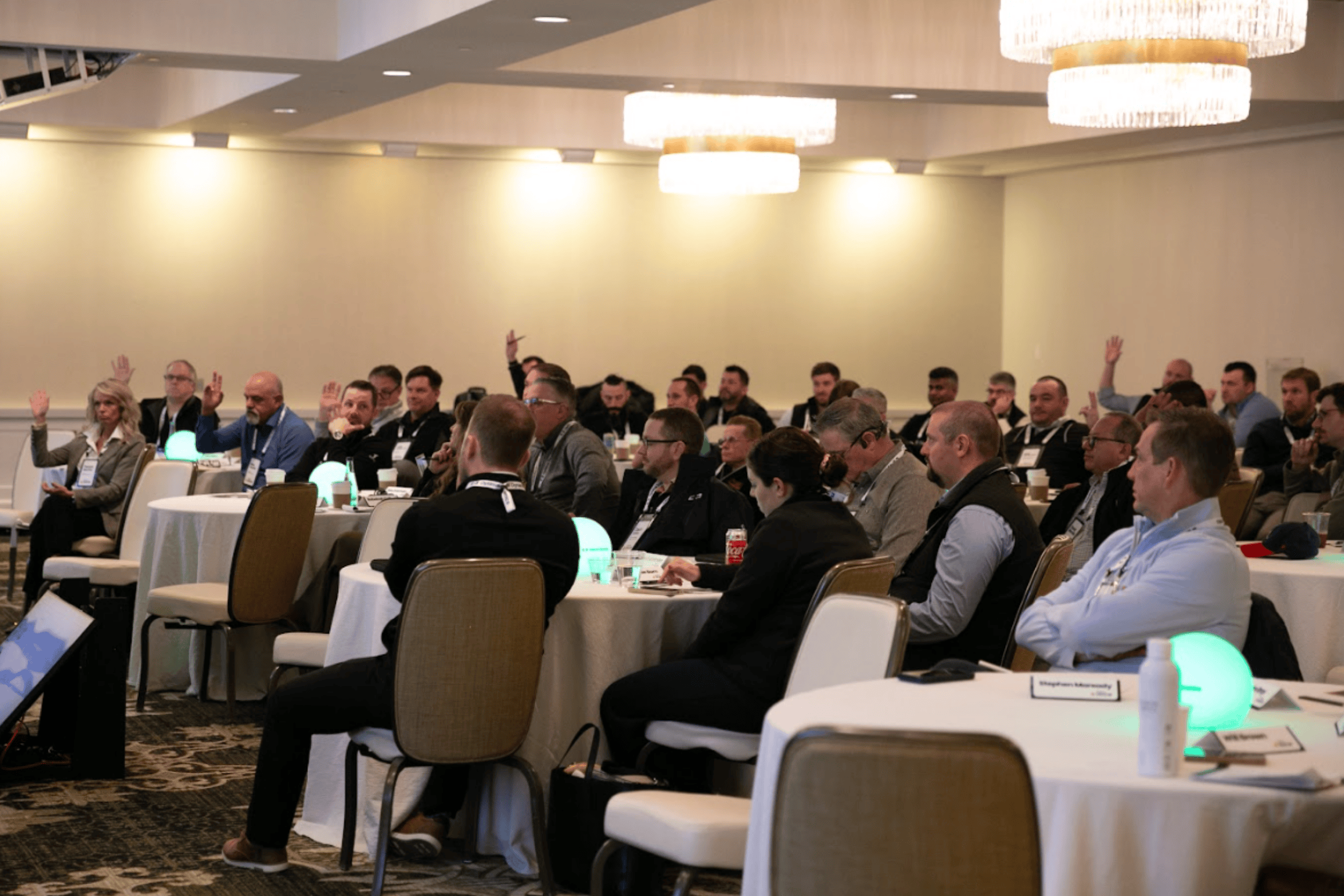
Most of the guests at the 2026 Optimal Dynamics User Conference run truckload carrier operations. But one of the most valuable sessions for all attendees flipped the script: Two shippers took the stage to share exactly what they’re looking for in carrier partners, what frustrates them, and where they think the market is headed.
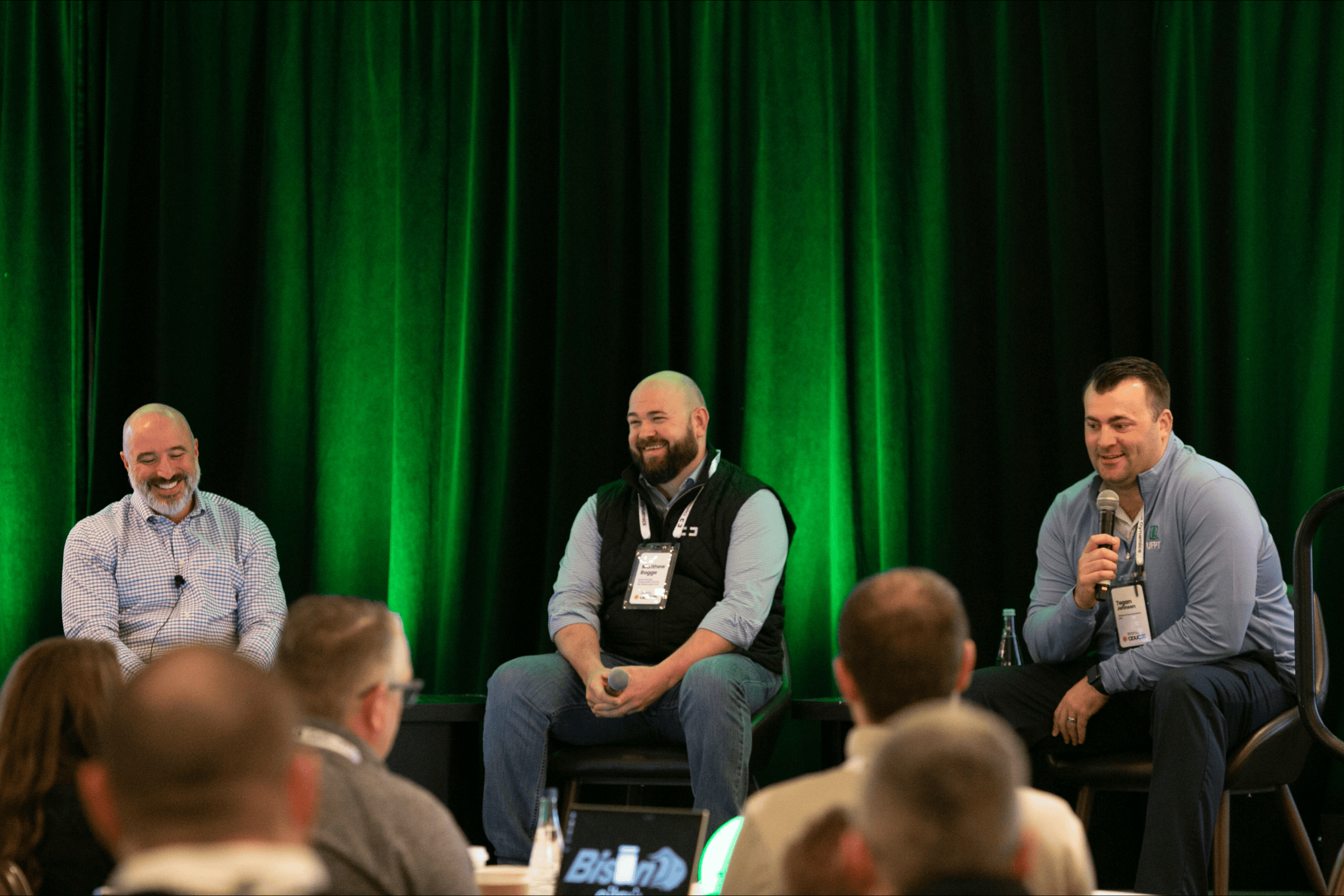
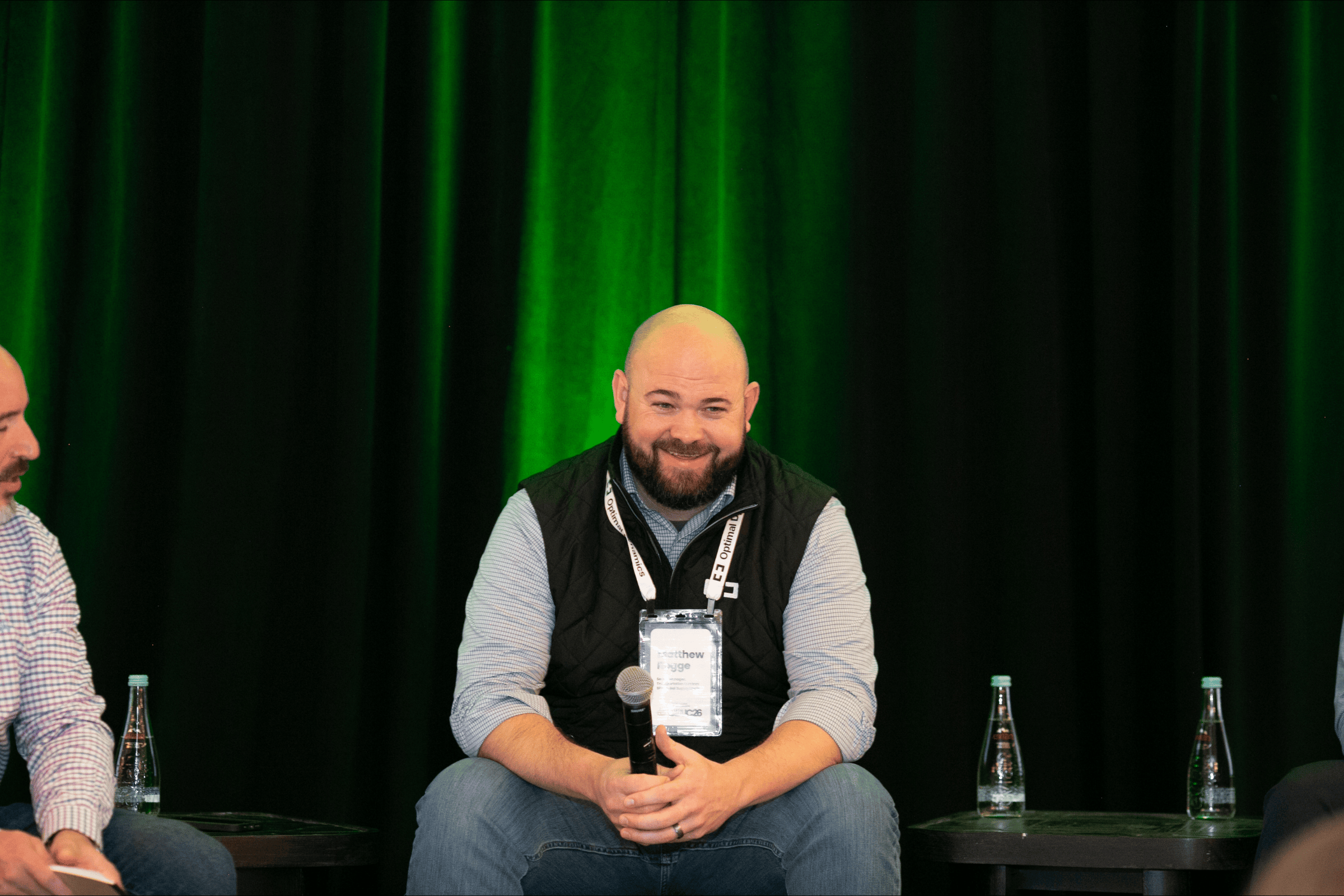
This “Winning in a Shipper’s Market” panel featured Zach Schuchart, SVP of Sales at Optimal Dynamics, as the moderator. Joining him were Tegan Johnson, Director of Fleet Operations at UFP Transportation, and Matt Rogge, Senior Manager of Transportation Services at CJ Schwan’s.
UFP manages freight for its packaging, retail, and construction segments across 215 locations in nine countries, trucking about 20% of that volume via its own fleet. CJ Schwan's runs a dedicated fleet alongside one-way carrier capacity across 22 manufacturing plants, coordinating complex frozen and food-service distribution networks nationwide.
Both companies are Optimal Dynamics customers, and both have been rethinking how they deploy their own capacity and work with carriers in ways that would have seemed unusual even a few years ago. Here are the highlights from the session, including what keeps these shippers up at night, what’s happening inside their supply chains, and what carriers can do (and stop doing) to earn and keep their business.
1. Shippers Are Running Their Fleets Like Trucking Companies Now
For a long time, private fleets existed to absorb the chaos that the rest of a shipper’s supply chain couldn’t handle. The private fleet stood ready when production schedules slipped, loading delays arose at a facility, or customers needed last-minute deliveries.
Zach described private fleets as a “pressure relief valve” for shippers. That’s traditionally been their role, but times are changing.
Both Tegan and Matt described a fundamental shift in how their companies view their fleets. At UFP, the fleet was once completely decentralized, but the operation is now centralized and managed with the same discipline you’d expect from a for-hire carrier. The team began asking harder questions about utilization, about which freight actually belongs on their trucks, and about how to find synergies across UFP's packaging, retail, and construction segments, rather than letting each operate in its own silo.
“We needed to make sure we’re trucking the right 20%,” Tegan said. “And so we wanted to explore those network-wide synergies across the various departments, or the various segments.”
At CJ Schwan’s, the evolution looked different but pointed in the same direction. Matt’s team runs a dedicated fleet model in which drivers complete full 8-day, 70-hour tours, with all miles paid (loaded or empty), and drivers start and end each week at home. At one point, the dedicated program handled 40% of Schwan’s freight. But the prolonged shipper’s market made one-way capacity so affordable that the dedicated share has dropped to around 16%. Every load is now a puzzle piece, as Matt put it, and the primary question is: What freight should those trucks be carrying to generate the most value across the network?
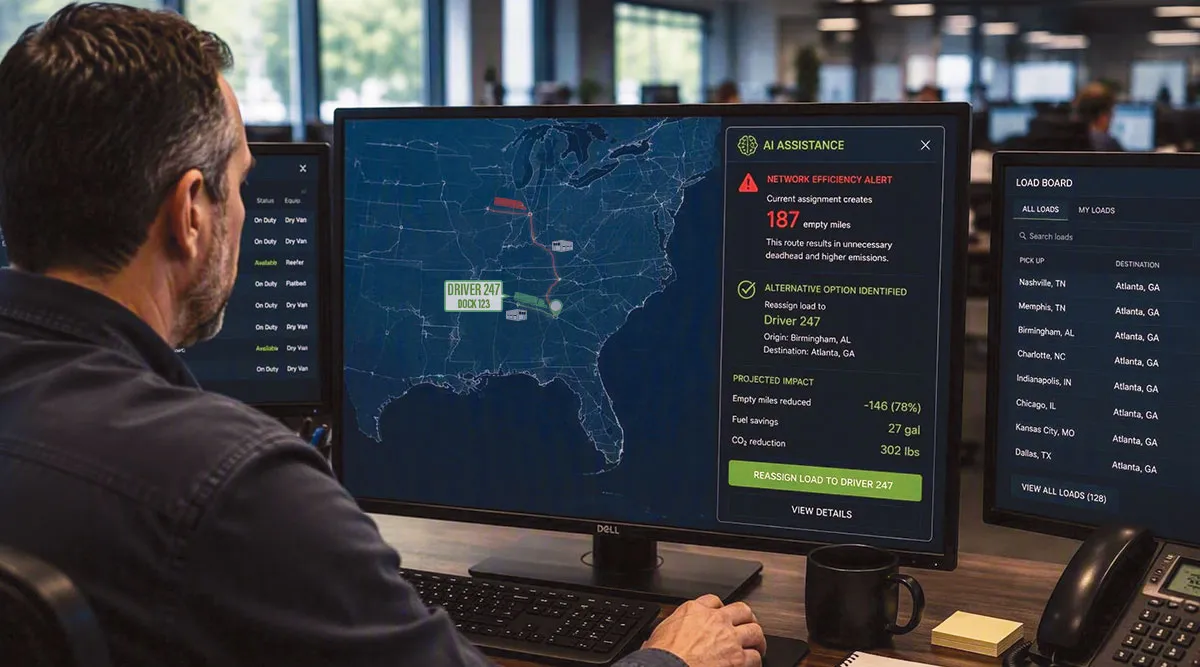
This is where Optimal Dynamics fits into the picture for both companies. When you're trying to decide which 16% or which 20% of your freight belongs on your own assets, you need a system that can see the entire network, weigh the cost of every option, and surface the moves that actually improve your position. Both UFP and CJ Schwan’s brought in Optimal Dynamics to do exactly that.
2. Relationships Still Win (and Shippers Can Prove It)
The carrier-shipper dynamic can feel transactional when a bid goes out, rates come back, and the lowest number wins. But relationships are important beyond just the transaction, as both Tegan and Matt shared.
Matt described CJ Schwan’s carrier roster as deliberately small — just 100 providers with remarkably low turnover and strong relationships. In many cases, the team has worked with the founders of those carriers, as well as the founders’ children and now grandchildren. Those strong relationships and that level of continuity come from Schwan’s actively working to keep incumbent carriers on its freight, even when it would be easy to chase a cheaper rate elsewhere. When a carrier comes to Matt and says a lane isn’t working for them anymore, his team works with the carrier to shift volume into lanes that make more sense for both sides.
Tegan offered the most concrete example of what relationship-building actually looks like in practice. Before UFP centralized its transportation operation, the company’s freight was scattered across hundreds of locations, each one contracting independently. One carrier had UFP’s business across multiple facilities, but because none of it was coordinated, UFP barely registered as a meaningful customer.
“We were customer number 387 for one particular carrier,” Tegan said. “I’m working out of multiple locations, but we couldn’t ever get that partnered up, so as we centralized all that activity, we are now customer number 13.”
That jump from 387 to 13 is a point of pride for the UFP team, and it also completely changed the nature of the partnership. When you’re a carrier’s 13th-largest customer instead of their 387th, you have real conversations about capacity, about lane fit, and about where the carrier can and can’t support you.
Tegan put it plainly: Carriers don’t show up for you during a capacity crunch if you haven’t invested in the relationship during the soft market.
3. Problems Don’t Age Well (So Stop Sitting on Them)
If there was one message this panel wanted every carrier in the room to take home, it was this: When something goes wrong, say so immediately.
Both Tegan and Matt were remarkably gracious about operational failures like truck breakdowns, unexpected weather, and driver illnesses. What kills the relationship is silence. At times, carriers hold onto bad news in hopes of finding a solution. But if a shipper finds out when a customer calls asking where their freight is, that scenario erodes trust faster than anything else.
Matt said his best partners are the ones who will proactively tell him they’re going to fail on a lane. That honesty gives Schwan’s time to react. When a carrier gives them a few hours of lead time, they can reroute, find backup capacity, and manage the downstream impact.
Tegan put it more colorfully than anyone else at the conference.
“We’re not talking French wine here,” he said. “We have to react, we have to provide service, we have to create a recovery plan. The earlier we know about that, the sooner we can step in and help with additional capacity from a different provider.”
4. The Shipper’s Market Can't Last Forever (and Smart Shippers Know It)
Everyone in trucking has been waiting for the market to turn. It’s become almost a running joke at this point. During the downturn, many carriers have closed their doors for good, taking real capacity off the road.
“The way the carriers have had to operate for the last couple years is not sustainable,” Tegan said. “And, I mean, I don’t want to say it’s next quarter and get something thrown at me, but we’re preparing for some of that.”
Matt painted a similar picture from the rate side. At the time of the conference, CJ Schwan’s was seeing spot market freight priced pretty much in line with their contracted rates. That alignment indicates how soft the market has been. There’s been little incentive for shippers to lock in long-term commitments when they can get comparable pricing in the spot market on any given day. But Matt also acknowledged that the equilibrium is fragile. Any demand spike or any disruption, and the carriers who’ve been squeezed in recent years won’t have the capacity to absorb it.
5. The Next Frontier Is Filling Network Gaps With Outside Freight
Major shippers are now standing up their own brokerage operations to fill gaps in their networks that their contracted carriers and private fleets can’t cover.
Both Tegan and Matt are living this evolution right now, and the way they each described it reveals just how much the shipper role has expanded.
Matt framed it through the lens of his dedicated fleet planning at CJ Schwan’s. Every week, his team builds driver tours across all 48 states, assembling loads into sequences that get drivers out and home within an 8-day, 70-hour cycle. When those tours come together cleanly, the economics are great. But they don’t always come together cleanly. Sometimes the loads in Schwan’s own network don’t fit neatly enough to build a cost-effective tour, and the trucks come back with too many empty miles baked in.
“We get to the point where maybe the tours that are coming back aren’t optimal,” Matt said. “They don’t hit all the marks. And really what that tells us is we don’t have the right puzzle pieces in our supply chain. We need to go out and find new puzzle pieces.”
Today, finding those puzzle pieces is a manual process. Schwan’s planners step away from the system, hunt for brokerage freight that fills the gaps, and try to stitch it into the tour. The process is not scalable, and it pulls planners away from the higher-value work they should be focused on. Matt said his team came to the conference wanting to learn more about Scale by Optimal Dynamics. Instead of sending humans out to scavenge for complementary freight, Scale would bring that freight into the system automatically, giving planners a fuller set of options without ever leaving the platform.
Tegan’s team at UFP is a step further down this road. They launched an internal brokerage operation last year, and it serves a dual purpose. First, it acts as a technology intermediary. Some of UFP’s carrier partners aren’t equipped to provide EDI updates or real-time tracking, so the brokerage bridges that gap by handling tracking and feeding the data back into UFP’s ERP and customer-facing systems. Second, the brokerage serves as UFP’s sales arm for its trucks. When the fleet has to take a load for service reasons, it leaves a truck stranded somewhere unproductive, and the brokerage team goes out and finds freight to get that asset back into a useful position.
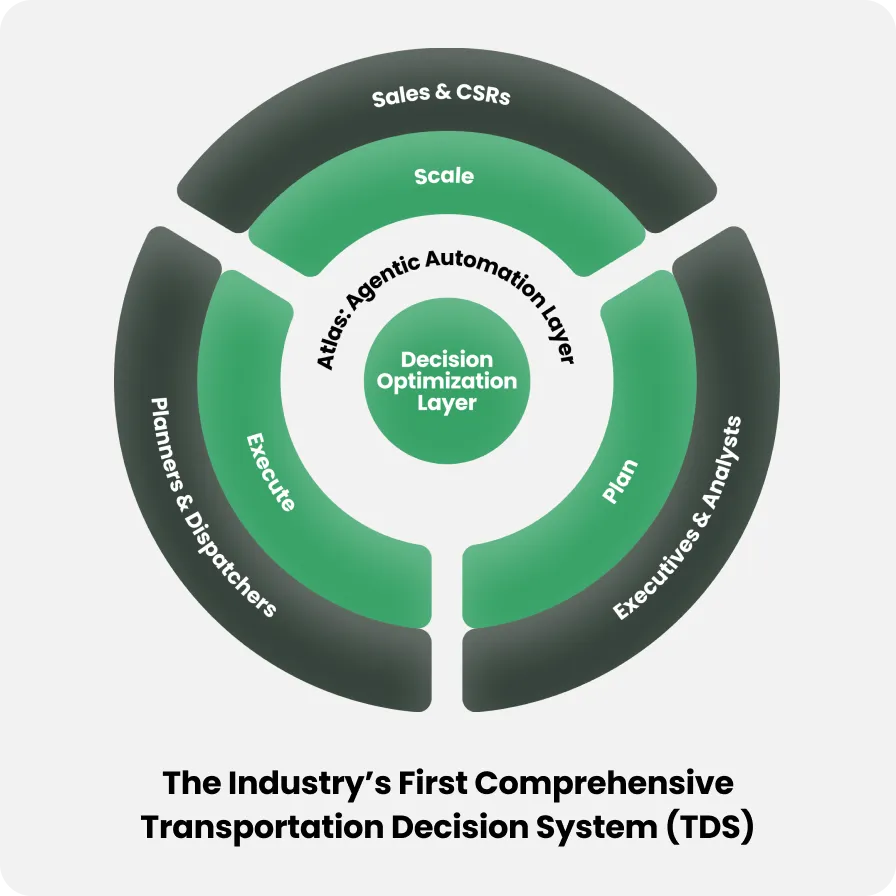
What’s happening at both companies demonstrates that the line between shipper, carrier, and broker is blurring. Shippers with private fleets are thinking about backhauls and network density the same way carriers do. They’re sourcing external freight to optimize assets the same way brokers do. And they need technology that can see across all those roles simultaneously, balancing their own freight, fleet capacity, carrier partnerships, and the open market in a single view. That’s the problem Optimal Dynamics is solving for shippers.
The Takeaway for Carriers
Carriers rarely hear directly from shippers about what they actually value, what’s changing in their operations, and where the market is headed. The takeaways from this session were both insightful and practical: communicate early, honor what you commit to, know your lanes, and build relationships that hold up when the cycle turns.
There’s also a broader signal worth paying attention to: The shippers on this panel are using tools like Optimal Dynamics to deploy their own capacity with a precision that would have been unthinkable a few years ago. They’re getting smarter in how they manage their operations, and they’re looking for carrier partners who are doing the same.
Learn more about the technology that’s powering smarter decisions for both shippers and carriers when you schedule an Optimal Dynamics demo.